
Understanding THC and CBD: Differences, Similarities, and How They Work
What are THC and CBD and how do they interact with the body
“Balance isn’t a product; it’s a practice,” a South African clinician notes, and interest in cannabinoids has surged as people seek clearer relief. The conversation isn’t about hype—it’s about understanding how two compounds interact with the body and mind.
THC is the psychoactive component, while CBD is non-intoxicating. They share a touch of chemistry—both engage the endocannabinoid system—but their effects diverge: THC can alter perception, CBD often tempers that influence and broadens the conversation to mood, inflammation, and resilience. In the idea of thc x cbd, the two can modulate each other, contributing to a more balanced experience rather than a single dominant sensation.
- THC targets CB1 receptors in the brain, driving its recognizable effects.
- CBD interacts with several receptors and may influence how THC is processed in the body.
Understanding these dynamics helps readers navigate use with awareness, especially where regulation, quality, and biology shape outcomes.
The endocannabinoid system explained
In South Africa’s evolving wellness dialogue, cannabinoid science offers a stabilizing counterpoint to hype. The endocannabinoid system is a finely tuned orchestra, rewarding balance over bravado. Understanding how THC and CBD operate within this network helps readers navigate relief with clarity and responsibility.
THC and CBD share a common stage but perform different solos:
- THC primarily binds CB1 receptors in the brain, shaping perception, appetite, and mood.
- CBD interacts with multiple receptors and can influence how THC is processed, dampening intensity and broadening potential benefits.
- Together, they engage the endocannabinoid system in ways that can create a balanced experience rather than a single dominant effect.
This is the space where thc x cbd operates—balancing psychoactivity with soothing processes like mood regulation, inflammation, and resilience. The distinction and convergence matter as regulation, product quality, and biology shape outcomes.
Profiles of cannabis: full-spectrum vs broad-spectrum vs isolates
In South Africa’s wellness landscape that leans toward balanced living, the phrase thc x cbd reads like a manifesto rather than a dare. The promise is not wild potency but measured harmony—an artful blend that respects mood, inflammation, and resilience with quiet confidence.
Profiles of cannabis chemistry illuminate the choice:
- Full-spectrum captures a broad cannabinoid profile, terpenes, and trace THC, delivering entourage effects.
- Broad-spectrum preserves multiple cannabinoids and terpenes but removes detectable THC.
- Isolates offer pure CBD or other cannabinoids, with no accompanying terpenes or residual compounds.
Differences surface in entourage, onset, and regulatory framing, yet the shared language of cannabinoids hints at synergy rather than rivalry. In practice, understanding these profiles clarifies what patients and consumers can expect from each pathway.
Key factors that influence effects: dosage, delivery method, and tolerance
Harmony is the currency of SA wellness, and thc x cbd reads as a measured manifesto rather than a dare. Differences among profiles are less about sheer potency and more about tuning: the right ratio, the right moment, and how your body responds to nuance. The shared aim is balance—quiet, durable comfort—rather than a sprint toward intensity.
In practice, these strategies rely on precision, not bravado. Key factors shaping effects include dosage, delivery method, and tolerance, which together set the mood for the day’s experience.
- Dosage accuracy and pacing
- Delivery method: inhalation, sublingual, or oral formats
- Individual tolerance, prior exposure, and context of use
When tuned thoughtfully, this approach keeps the conversation civilized and sympathetic to personal rhythm rather than universal potency.
Safety considerations, side effects, and potential interactions
Wellness markets crave balance, not bravado. In South Africa, interest in cannabis-based wellness blends has risen about 20% in the last year, as people seek harmony over hype. The idea of thc x cbd as a measured blend is a disciplined approach to mood and daily function—aiming for steadier days, not fireworks!
THC and CBD differ in effect, yet both tend toward balance rather than abrupt shifts. CBD is generally well tolerated; THC can be more pronounced, especially for first-timers. Safety notes:
- Potential interactions with prescription meds
- Individual metabolism and tolerance affect outcomes
- Product quality and full-spectrum content influence results
Understanding these nuances keeps use civil and context-driven, aligned with personal rhythms rather than universal potency.
Benefits and Effects of Combining THC and CBD
Pain relief and inflammation management
“Relief arrives in layers,” a patient once whispered, and that line keeps circling back as thc x cbd works in concert for pain and inflammation. For South Africans exploring wellness options, this pairing offers a gentler, more navigable path than either compound alone, with the body charting a gradual descent from discomfort to ease.
Consider these subtle outcomes:
- Layered relief that helps daily movement without the sharp edges of pain
- Calibrated inflammation response through complementary signaling
- Mood and sleep balance that supports recovery cycles
The enchantment is not whimsy—it’s modulation of signals, easing nerves and tissues without dulling daily life. In this dance, thc x cbd offers a patient-friendly cadence, a whisper of relief that can ride through the day.
Anxiety, mood, and cognitive effects
“An edge that softens, not dulls, is what many SA wellness seekers report,” a patient once whispered—the phrase thc x cbd lingers as anxiety, mood, and cognition respond in gentler rhythms. In South Africa, roughly 50% of users describe calmer days when these compounds are paired.
- Anxiety modulation without sedative heaviness
- More stable mood and emotional resilience
- Enhanced daytime focus with reduced racing thoughts
When combined thoughtfully, the duo can cushion stress reactivity while preserving mental clarity. The CBD component helps balance the psychoactive pull of THC, reducing jitters or paranoia and supporting a smoother, more approachable experience for daily life.
Sleep quality and relaxation when cannabinoids are paired
In South Africa, roughly 50% of users describe calmer days when these compounds are paired, and nights often echo that ease. The pairing of thc x cbd lends sleep quality and relaxation, turning rest into a gentler ritual rather than a jarring interruption. This balance invites a quieter, more restorative night.
- Deeper, more restorative sleep cycles
- Fewer awakenings and smoother wake-ups
- Calmer nighttime anxiety, enabling easier cognitive shut-down
CBD tempers the psychoactive pull of THC, reducing jitters and the racing mind that can disrupt slumber. When paired thoughtfully, the duo supports a relaxation that lingers into morning clarity, avoiding the sedative heaviness some dread and leaving the brain refreshed rather than foggy.
Nausea suppression and appetite stimulation
In the quiet alchemy of relief, thc x cbd often softens nausea and rekindles appetite, offering a subtle bounty rather than a jolt. The pairing works like a tide, lifting discomfort and inviting regular meals back to the table.
CBD tempers THC’s intensity, smoothing the gut-brain dialogue and reducing queasy signals without dulling appetite. Together, they create a steadier sensory landscape where faint nausea eases and the desire to eat returns with dependable rhythm.
Key benefits include:
- Nausea suppression
- Appetite stimulation
Used thoughtfully, the pairing can support daily routines in South Africa where fresh meals and comfort matter. The experience remains individual, but many find a gentler path from queasiness to nourishment.
Safety profile, risk factors, and responsible use
Relief without the jolt is becoming the norm for South Africans exploring thc x cbd. The blend can deliver steadier relief by tempering the psychoactive edge of THC while preserving the beneficial signals CBD provides. In practice, users often notice gentler discomfort reduction and more predictable mood shifts, which can support daily tasks and social engagement. The result is a balanced experience that respects routine and responsibility.
Safety profile and responsible use matter as much as any benefit. Potential risk factors include interactions with medications, variability in individual response, and legal considerations. Approach with caution and seek guidance if unsure. For quick reference, consider the following:
- Potential drug interactions—review current prescriptions with a health professional.
- Impaired coordination or cognition if overused; avoid driving until effects are understood.
- Pregnant or breastfeeding individuals should avoid use; consult a clinician.
- Source quality: choose products with clear lab testing and transparent cannabinoid profiles.
Product Formats and How They Pair THC and CBD
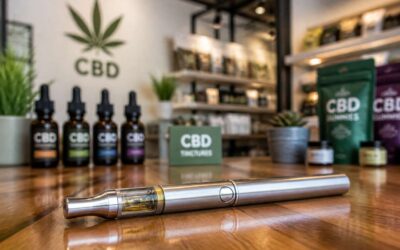
Oils and tinctures: dosing, precision, and versatility
Across South Africa, 60% of consumers say precise dosing and predictable results drive their choice of thc x cbd products. In the realm of thc x cbd, product formats dictate pace and precision. Oils and tinctures rise to the top for speed and scalable dosing; a few drops can nudge intensity with granular control. CBD gently modulates the THC lift, smoothing effects and supporting clarity. In South Africa, producers emphasize consistent extraction and transparent labeling—keeping safety front and center. In a market that moves quickly, that clarity is gold!
- Oils and tinctures with droppers allow precise micro-dosing for nuanced control.
- Capsules and softgels deliver steady, discreet, travel-friendly formats for micro-doses.
- Topicals and transdermals provide targeted relief with localized or sustained effects.
Versatility blooms as formats mix. A morning routine may favor a fast-acting tincture, while evenings invite a capsule for steadier, longer-lasting comfort. The dynamic pairing invites mindful exploration within safety.
Edibles and capsules: timing, duration, and consistency
Product formats shape pace and precision. Across South Africa, timing and consistency stand as the deciding factors for how these pairs perform in real life. Edibles and capsules offer distinct cadences that fit different chapters of the day, from a busy morning to a quieter evening.
- Edibles: slower onset (30–90 minutes), longer duration (4–8 hours), and easy portioning through servings for measured experiences.
- Capsules/softgels: steady, predictable dosing with a travel-friendly profile; onset around 60–120 minutes and lasting roughly 6–12 hours.
When thc x cbd formats align timing, duration, and consistency, the experience remains balanced, clear, and reliable.
Topicals: localized relief and skin-friendly formulations
Across South Africa, topical blends have become a daily ritual for localized relief. A recent pulse survey found that 64% of users prefer targeted soothing over generalized effects—proof that the skin is a discerning canvas for thc x cbd.
Topicals arrive in a few familiar formats, each tuned for comfort, absorption, and skin compatibility. Creams and lotions offer a thin, breathable veil; balms deliver occlusive moisture for dry areas; transdermal patches promise steady, discreet dosing across hours.
Consider these formats as chapters in a relief story:
- Creams and lotions—light, fast-absorbing textures for morning routines.
- Balms and salves—rich emollients for concentrated hotspots.
- Transdermal patches—durable delivery for extended comfort.
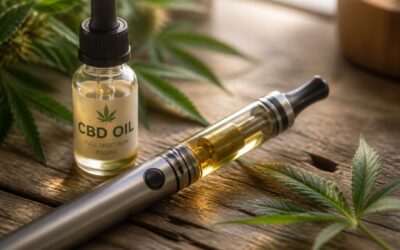
Inhalation blends: efficacy, onset, and duration of effects
Inhalation blends deliver a quick, tailored response when thc x cbd meets the lungs—efficacy feels like a swift conversation between the mind and body. Onset is measured in minutes, not hours, and duration tends to track toward the upper reach of a couple of hours with measured dosing. This pairing can smooth a thoughtful balance between relief and alertness, making inhalation formats a precise tool in the cannabis repertoire.
- Cartridges and disposable pens designed for rapid uptake
- Metered-dose inhalers for controlled, repeatable sessions
- Portable vaporizers that blend discretion with extended use
Practically, selecting a format means balancing efficacy with duration, personal tolerance, and the setting—city apartments, clinic spaces, or outdoor adventures—common in South Africa. A brisk, on-the-spot option fits daytime tasks, while a discretely lingering session suits evenings and social occasions.
Choosing cannabinoids formats: full-spectrum vs broad-spectrum vs isolates
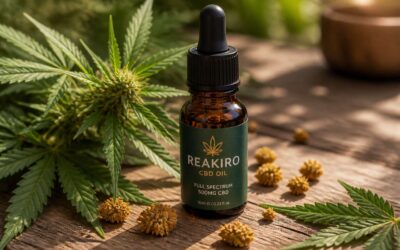
Product formats for thc x cbd unfold like a rural market at dawn—diverse, deliberate, and designed to fit daily life. Full-spectrum mingles the whole plant’s notes, broad-spectrum excludes THC while preserving terpenes, and isolates offer precise CBD-dominant experiences. Each format shapes how thc x cbd interacts with the body, from mood to focus, letting you tailor relief to the moment.
- Full-spectrum: the entourage effect with trace THC
- Broad-spectrum: careful balance without detectable THC
- Isolates: pure CBD with precise dosing
In South Africa’s emerging market, choosing among these formats depends on tolerance, setting, and the desired profile—calm clarity for daytime tasks or gentle unwinding after a long day.
Guidelines for Responsible Use and Compliance
Dosing strategies for beginners and experienced users
Bold, punchy hook: “Less is more,” a seasoned cannabis educator likes to say—especially when mixing thc x cbd. For responsible use, begin with the smallest effective amount and watch how your body responds. In South Africa’s nuanced market, slow, mindful dosing keeps you compliant and in control.
- Start low and go slow—tiny increments until effects are clear.
- Choose a consistent ratio to learn how each dose lands.
- Keep a dosing log: product, amount, method, time, effects.
- Consult a professional if you have medical concerns or are on other meds.
For beginners, start around 2.5–5 mg THC equivalent per dose, pairing with a CBD-dominant profile to encourage balance. For seasoned users, titrate cautiously—adding 5 mg at a time and allowing a full 2–4 hours to peak. Choose a delivery method that matches your goal and you’ll stay in control.
Legal landscape by region and age restrictions
Regulation is the quiet force shaping every choice around thc x cbd. In South Africa and beyond, the legal landscape shifts with policy winds and medical guidance. Most regions require an adult age floor—often 18 or 21—along with testing, accurate labeling, and responsible packaging. Compliance becomes the baseline for safe access and quality.
- Age restrictions for purchase and possession (typically 18+ or 21+).
- Licensing and oversight for medical or commercial products.
- Labeling, cannabinoid content disclosure, and testing requirements to ensure quality.
In South Africa, private-use tolerance sits beside a tightening framework for distribution and advertising. Cross-border transport, marketing claims, and public use remain high-risk areas. The evolving landscape around thc x cbd in SA demands careful, reflective choices aligned with local law and personal responsibility.
Quality signals: third-party testing and product transparency
Guidelines for responsible use begin with clarity and consent. For thc x cbd products, safety hinges on dosing discipline, accurate labeling, and accessible verification. Third-party testing signals credibility and helps readers compare products confidently.
- Independent third-party lab testing for cannabinoid content, contaminants, and potency
- Comprehensive product transparency with accessible certificates and batch information
- Clear labeling of serving sizes, dosage guidance, and expiry dates
Quality signals like transparent lab results and traceable supply chains empower consumers to make reflective choices within the South African legal framework. Public-facing documentation should be current and easy to navigate, turning caution into confident use.
Storage, shelf life, and product stability
Discipline underpins every thoughtful purchase of thc x cbd blends. Quality isn’t only in potency but in how a product travels from shelf to service. Responsible use starts with clarity about storage, shelf life, and stability—elements that safeguard the integrity of cannabinoids while aligning with South Africa’s legal framework. When brands present transparent labeling, accessible batch data, and durable packaging, readers feel a refined confidence that safety threads through every choice.
Public-facing documentation should stay current and navigable, inviting a reflective approach to consumption. Beyond expiry and serving guidance, stability concerns how products endure heat, moisture, and light over time. A calm, quality-first mindset turns caution into confident use for thc x cbd—where trust rests on traceability and consistent presentation.
- Accessible batch certificates and traceability
- Visible expiry dates and storage notes
- Packaging that minimizes environmental impact on stability
Medical considerations and potential drug interactions
South Africa’s cannabis scene moves with swagger, and trust is the currency. 87% of buyers say clear labeling shapes their choices, and that trust begins with how thc x cbd is presented, tested, and supervised—not with flashy claims.
Guidelines for Responsible Use and Compliance are simple: stay within legal age limits, rely on transparent labeling, and respect medical boundaries. For thc x cbd blends, consider how medical considerations and potential drug interactions might shape experiences, reminding readers to disclose medications to a clinician and to seek professional advice when uncertainty arises.
- Regulatory compliance: verify age, licensing, and labeling standards in SA.
- Medical considerations: disclose prescriptions, monitor interactions with anticoagulants, sedatives, and liver enzymes.
- Safety mindset: avoid poly-use in vulnerable individuals and seek medical guidance for pre-existing conditions.
Smart choices rely on traceability and a calm, curious approach to use—embracing thc x cbd as part of a responsible wellness strategy.

0 Comments