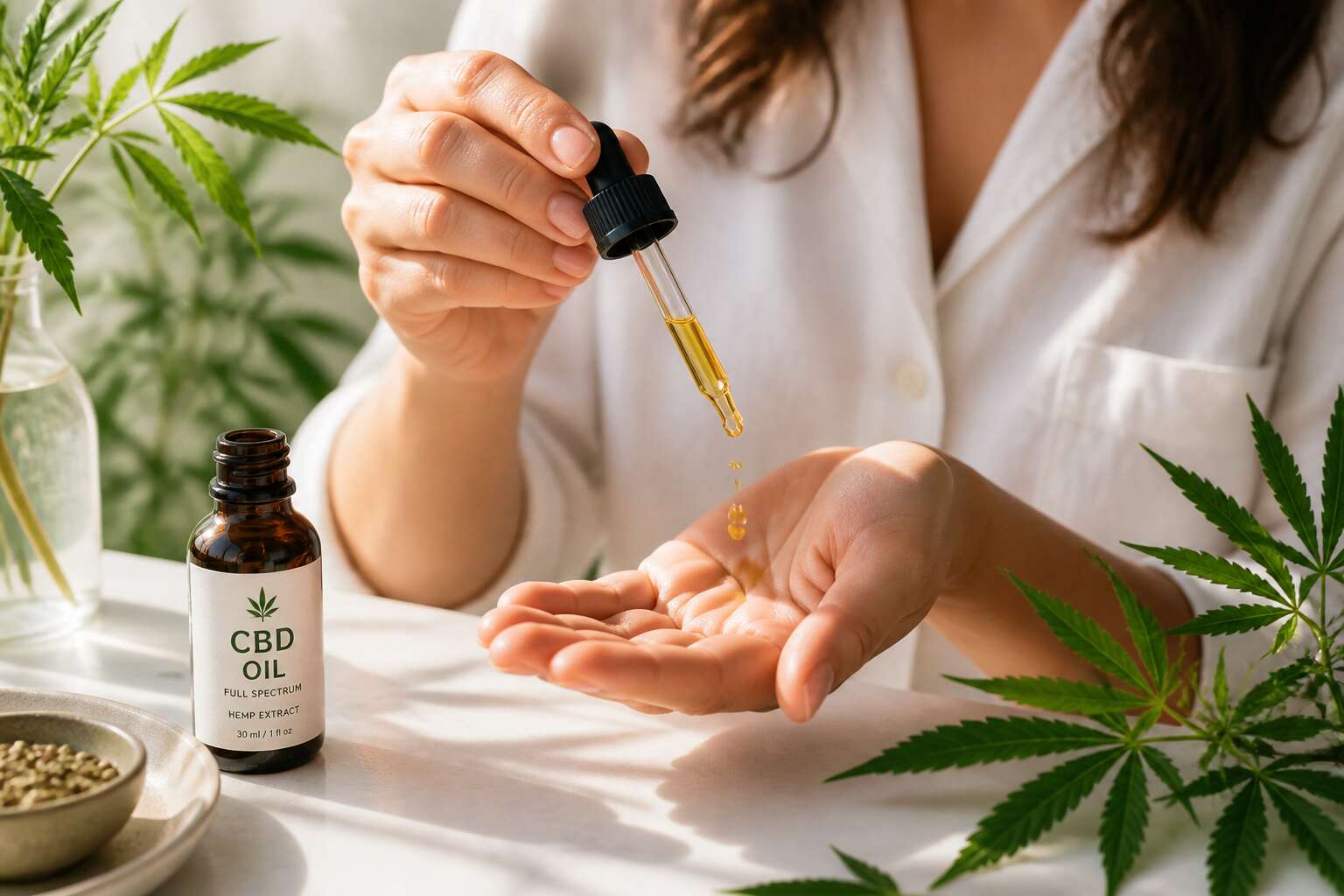
Understanding CBD Oil and Its Benefits
What is CBD Oil and How Does It Work?
Most people know CBD oil exists. Few know how it works inside the body. This knowledge gap leads to confusion, and that is where cbd oil reviews become useful.
Cannabidiol comes from hemp leaves and flowers. Unlike THC, it does not bind strongly to CB1 receptors in the brain. That absence of a high makes it attractive for daily use.
The body’s endocannabinoid system regulates mood, sleep, and pain perception. CBD influences this system indirectly, encouraging the release of the body’s own cannabinoids. The effects therefore differ from person to person, which is why individual experiences vary so widely!
- It may support stress management
- It could aid sleep quality
- It interacts with pain signalling
According to cbd oil reviews, the oil is often mixed with a carrier like MCT or olive oil. Users place drops under the tongue for faster absorption. Eating CBD slows onset but prolongs duration.
The Science Behind CBD’s Therapeutic Effects
I have read hundreds of customer accounts, and the most striking pattern is how users describe a quiet recalibration of their daily experience. That makes sense when you consider the compound’s effect on the body’s inflammatory cascade.
- Reduced perception of chronic pain
- Lowered subjective stress scores
- Improved sleep continuity
But the science goes deeper! Cannabidiol modulates TRPV1 receptors, which govern pain and temperature sensing. It also influences the reuptake of anandamide, the body’s natural version of THC. This is why cbd oil reviews often mention a gentle shift rather than a dramatic high.
Different Types of CBD Extracts (Full-Spectrum, Broad-Spectrum, Isolate)
Almost every cbd oil reviews conversation I encounter eventually circles back to a single point: extract type. Full-spectrum extracts retain every cannabinoid, terpene, and flavonoid found in the original plant. Broad-spectrum versions keep most of those compounds but filter out heavier waxes and chlorophyll. Isolates, on the other hand, strip down to pure CBD, often exceeding 99 percent purity.
Why does this matter for your experience? Different extracts interact differently with your endocannabinoid system. Here is how they typically compare:
- Full-spectrum: preserves the entourage effect, where minor compounds amplify CBD’s influence.
- Broad-spectrum: balances potency with a cleaner taste profile, useful for daily tinctures.
- Isolate: ideal for precise dosing without additional plant material.
Your choice ultimately shapes the outcomes you report. This is why so many customers describe a different result depending on which extract they tried first. Understanding these distinctions helps you interpret what you read and what you feel.
Key Benefits Reported by Users
Most cbd oil reviews read as intimate testimonies rather than clinical logs. The recurring line is a dull ache that loosens, a mind that stops rehearsing tomorrow, a body that finally stays still. From Johannesburg to Durban, these reports share an unfamiliar quiet.
Across the South African market, the outcomes cluster around three recurring themes:
- Stubborn joint pain that fades within two weeks
- Sleep that arrives without a nightly argument
- Anxious thoughts that recede to the periphery
Users describe a gentler passing of hours. Expectation always tints the result. Someone reviewing a purified isolate will report a different sensation than another working with a broad-spectrum tincture. Yet the underlying grammar remains plain: improved comfort and a slower pulse. The majority of cbd oil reviews repeat that same solemn declaration.
Potential Side Effects and Safety Considerations
CBD enjoys a glowing reputation, yet side effects are part of the deal. Dry mouth appears in many cbd oil reviews, often as a footnote. I bring it up because no one else does! Drowsiness and mild digestive shifts also crop up. These are generally temporary and nonthreatening. Safety hinges on the CYP450 enzyme system, which metabolizes CBD alongside other medications. When those pathways compete, drug concentrations can spike unexpectedly. That matters for chronic users, not casual sippers.
- Low doses produce fewer effects
- Bottles with full lab reports reduce risk
- Different delivery methods change absorption
No two users respond identically. The liver’s capacity, existing prescriptions, body weight, and even the carrier oil influence the outcome. A person reading optimistic cbd oil reviews might assume an identical result. That assumption fails quietly. Patience and observation define responsible use.
Factors to Consider When Evaluating CBD Oil
Quality and Source of Hemp
In South Africa’s booming wellness market, nearly 60% of CBD products are mislabeled. That is a sobering thought for anyone relying on online opinions. So what separates a trustworthy bottle from a cleverly packaged placebo? Look at the source first.
Hemp cultivated in pristine soil absorbs fewer toxins. Plants grown in nutrient-rich, ISO-certified farms yield cleaner extracts. When scanning cbd oil reviews, check if the brand discloses its origin. A third-party lab report should confirm no heavy metals remain.
- Verify the CO2 extraction method
- Ask for a certificate of analysis
- Note the THC concentration
Quality also depends on how quickly the hemp is processed after harvest. Freshness matters. I find that cbd oil reviews mentioning a grassy, bitter taste often indicate poor refinement. Instead, look for those that describe a smooth, natural flavor. That is the real difference between a rushed product and a premium one!
Extraction Methods and Purity
Extraction is where purity is won or lost. CO2 extraction earns the most attention, but temperature and pressure settings matter as much as the method itself. Too much heat degrades the cannabinoids. Too little pressure leaves a thin, weak oil. Ethanol extraction works well, yet it often drags chlorophyll and plant waxes into the final bottle. That is why cbd oil reviews mentioning a harsh aftertaste deserve a second look.
Purity also means accounting for what is absent. Residual solvents hide in rushed extraction lines. A competent lab report shows solvent traces below detectable limits. Some brands publish these results without prompting, while others wait for a direct request. The most useful cbd oil reviews will single out the transparent ones.
- Residual solvent screening
- Pesticide and herbicide panels
- Microbial contamination checks
Third-Party Lab Testing and Certificates of Analysis
Reading a Certificate of Analysis requires more than a glance at the pass/fail column. The batch number on the COA must match the bottle in your hand. Mismatched numbers appear more often than you would think. I have examined cbd oil reviews where users posted lab reports that contradicted the brand’s own claims. Potency values matter, but so do the dates. An old COA means nothing for a new harvest. Look for the cannabinoid profile, the terpene chart, and the contaminants panel.
- Testing for heavy metals and mycotoxins
- Quantitative results per milligram, not vague percentages
- A signature from an independent laboratory
Many South African consumers overlook the distinction between a manufacturer’s internal report and a true third-party analysis. The most reliable cbd oil reviews embed the actual COA links, allowing you to verify the numbers yourself.
Potency and Dosage Accuracy
Potency claims mean nothing if the bottle cannot deliver them accurately. A 1000mg tincture split across 30ml yields roughly 33mg per full dropper, yet many users assume the entire bottle strength equals a single dose. This mismatch explains why some cbd oil reviews report zero effect at what should be a therapeutic amount.
Three factors shape actual response: body weight, metabolic rate, and the condition being targeted. A 70kg adult and a 100kg adult require different servings for the same outcome. Dropper size adds another layer of uncertainty, since most droppers hold 1ml, though some hold less.
The dose per millilitre often goes missing from product pages. Reliable cbd oil reviews specify both total volume and the per drop measurement. Vague labels like “strong” or “extra strength” carry no legal or scientific weight.
Price vs. Value: What to Expect
Price is a poor narrator. A low number in this crowded South African market often masks poor extraction or diluted potency. The actual cost of CBD reveals itself in milligrams, not bottle size. Reliable cbd oil reviews calculate the rand per milligram figure, stripping away the branding to expose genuine value.
A 500mg tincture at R300 costs sixty cents per milligram. A 1000mg bottle at R500 costs fifty cents, a better deal only if the certificate of analysis confirms the label. Local cultivation lowers import fees, yet a farm that skips third-party testing cannot claim trust.
- Verification adds expense but prevents wasted money
- Full-spectrum extracts demand higher prices than isolates
- Unchecked oils promise everything and deliver nothing
Frequent reports of headaches or absent effects trace back to those unverified bottles. Experienced reviewers write cbd oil reviews that distinguish a low price from an honest one. Pay the fair amount once, rather than the false economy that leaves you empty handed.
Flavor, Carrier Oils, and Additional Ingredients
Flavor reveals what lab reports cannot. A harsh, bitter hit often signals cheap ethanol extraction or stale hemp, while a smooth, earthy profile suggests careful processing. Coconut MCT oil remains the most common carrier in South African tinctures, prized for its neutral taste and efficient absorption. Olive oil appears in premium ranges, adding a peppery finish that some users appreciate, and cbd oil reviews frequently compare these bases.
Additional ingredients deserve scrutiny. Some brands add melatonin or herbs for sleep support, which can suit certain routines but complicate dosing. Others mask poor extracts with artificial sweeteners, a warning sign in any cbd oil reviews. Watch for:
- Artificial flavours that hide bitterness
- Sweeteners that inflate calorie counts
- Unnecessary botanicals that muddy the effect
The carrier oil source and any additives determine how consistently the product works, and that consistency rarely appears in marketing copy.
Analyzing User Feedback and Reviews
Where to Find Genuine CBD Oil Reviews
Sorting genuine cbd oil reviews from paid endorsements requires a certain skepticism. In South Africa, the market has grown quickly, and many testimonials blur the line between experience and advertisement.
I look for patterns across multiple platforms. Reddit forums and independent blogs often carry more candid opinions than retailer websites. Look for reviewers who describe specific effects, durations, and product characteristics.
- Detailed dosage discussions appear in authentic accounts.
- Mentions of batch numbers or lab reports add credibility.
- Identical phrasing across different usernames signals fabrication.
Cross-referencing feedback across different sources reveals a clearer picture than any single rating.
How to Identify Authentic Reviews vs. Paid Promotions
When a product attracts as much hype as CBD oil does, the line between genuine cbd oil reviews and polished advertising starts to blur. One morning you might read a glowing account on a blog, and by lunch you see the same phrasing repurposed on a different site. That repetition is your first clue. Real users rarely write like marketing departments. They hesitate, they mention small disappointments, and they often admit when they were skeptical.
Authentic cbd oil reviews tend to include messy details. Someone might mention that the first dropper tasted like grass clippings, or that they needed three weeks before they noticed a change in their sleep pattern. Those little imperfections are hard to fake. When you see a review that reads too smoothly, with every sentence praising the product’s effects and no mention of the carrier oil’s flavor, treat it with suspicion. Honest feedback usually includes some friction.
Another useful signal comes from the language people use. South African reviewers, for instance, might refer to local delivery times, specific chemists, or how the product handled the humidity during a Durban summer. That kind of local texture is difficult to manufacture. If you are scanning through cbd oil reviews and every single one could have been written for any product anywhere, you are likely looking at manufactured praise. Look for the unusual details, the small caveats, and the moments where the writer sounds like a person rather than a promoter.
Paying attention to how people respond to questions also matters. In the comment sections of independent blogs or on community forums, you will often see the original reviewer returning to answer a follow up question about dosage or taste. That back and forth is a strong indicator of authenticity. Paid promotions rarely come back to clarify; they disappear once the payment is processed.
To make the sorting process more manageable, consider these practical checks:
– Search for the product name along with the word “complaint” or “problem” to surface critical feedback.
– Compare the writing style across multiple platforms to spot reused testimonials.
– Check whether the reviewer mentions a specific certificate of analysis or batch number.
– Look at the reviewer’s post history to see if they regularly review other unrelated products.
These steps will not give you certainty, but they will help you separate the useful signal from the noise. In a market where trust is hard to come by, learning to read between the lines of cbd oil reviews is a skill worth developing.
Patterns in Positive Reviews: What Users Praise
When you read through enough cbd oil reviews, patterns emerge in what people praise. The most striking feedback rarely celebrates a dramatic, overnight transformation. Instead, users often highlight consistency: the same quality bottle after bottle, the same gentle relief that arrives without fanfare. They talk about how the product fits into a morning routine or an evening wind down, not as a cure but as a steady companion.
Other trends stand out too. Many reviewers specifically note what did not happen, such as no drowsiness, no stomach upset, or no lingering aftertaste. That negative space becomes a form of praise. In the South African context, customers frequently mention how well the oil held up during long commutes or humid coastal evenings, which tells you something about real world use. When positive feedback keeps circling back to reliability, predictability, and a quiet sort of effectiveness, you are looking at signal worth trusting.
- Praise for consistent dosing and predictable effects
- Compliments on neutral or pleasant taste without harshness
- Reports of improved sleep or calm without feeling sedated
Common Complaints and Recurring Issues
Some cbd oil reviews read like warning signals. The most common complaint involves unpredictable potency, where the same dropper delivers different effects on different days. Others mention a bitter, grassy aftertaste that clings to the throat. Dosage errors plague newcomers, who often misinterpret milligrams per drop.
Recurring issues also include mild digestive upset and a strange metallic note in cheaper extracts. South African users frequently report that humid conditions alter the oil’s consistency. These patterns appear so often that they deserve attention.
- Batch-to-batch variation in strength
- Lingering earthy or sour taste
- Confusing dropper markings
When multiple cbd oil reviews highlight the same flaw, treat it as a clue. A consistent complaint about sedation or headache points to an extraction problem, not a personal reaction.
Interpreting Star Ratings and Written Feedback
Star ratings only tell part of the story. A 4-star average might mask serious issues. In my experience, the written feedback is where the truth lives. For example, when cbd oil reviews mention a bitter aftertaste, check if the writer also notes the brand’s extraction method. That detail matters.
Look for patterns rather than isolated complaints. A single mention of dizziness could be a personal reaction. But if several users report the same side effect, treat it as a red flag. Consider these factors when reading cbd oil reviews:
- Consistency across batches
- The carrier oil used
- Whether the dosage is clearly explained
These elements often appear in genuine feedback. Star ratings alone cannot convey the full experience. Humid conditions, like those in coastal South Africa, may alter the oil’s texture. That nuance rarely shows up in numbers.
The Role of Verified Purchase Badges
Verified purchase badges carry weight in the world of online feedback. When a reviewer has actually bought the product, their words gain a layer of trust. In the context of cbd oil reviews, this badge separates speculation from experience. A user who paid for their bottle has no incentive to inflate the brand’s reputation. They are simply reporting what they felt.
Of course, the badge is not a guarantee of quality. It does confirm that the person handled the product. For South African shoppers, this matters. Local online stores often display these badges prominently, helping buyers filter through the noise.
When comparing cbd oil reviews, look for the badge first. Then read the details. The badge tells you the reviewer is real. The words tell you if the oil is worth your rand.
Top CBD Oil Brands and Their Reputations
Overview of Leading CBD Oil Manufacturers
Reputation in the CBD trade changes with each batch. For South African consumers, the names that surface repeatedly in cbd oil reviews belong to producers known for consistent chemistry and transparent documentation, not loud marketing.
Charlotte’s Web, an established overseas company, maintains trust through reliable sourcing and steady potency. Local brands like Hemporium and Canna Clinic earn their standing by prioritizing community relationships over aggressive campaigns.
What do reviewers consistently note about these leaders?
- Batch specific test results
- Fair resolution of complaints
- Conservative therapeutic claims
A single misstep, a mislabeled bottle, can undo years of careful work. The most durable producers therefore treat every cbd oil review as a gauge of their discipline. In a crowded market, only those who respect both the plant and the customer endure.
Brand Comparisons Based on User Reviews
Top brand reputations in South Africa rest on how well companies respond to real complaints. Across cbd oil reviews, Charlotte’s Web appears for its unbroken lab documentation, while Hemporium earns loyalty through direct engagement with local users. Canna Clinic draws attention for richer terpene profiles.
Comparisons often hinge on small but decisive factors.
- Charlotte’s Web: preferred for precise dosing
- Hemporium: valued for quick delivery and clear communication
- Canna Clinic: chosen for full-spectrum depth
Reviewers rarely switch brands without a reason. A failed batch or a confusing label shifts loyalty overnight. The most useful cbd oil reviews break down these moments, showing which manufacturers own their errors and which disappear.
Transparency and Company Reputation
Trust in a CBD brand is not built on marketing slogans. It is built on the quiet details of how a company handles pressure. The most telling cbd oil reviews often surface when a product batch fails a purity test or when a label misrepresents the actual milligram count. The firms that issue a public recall and a clear explanation earn long term loyalty. The ones that go silent are forgotten.
Transparency in this industry means showing the work. A manufacturer that publishes its third party lab results without a customer prompt is demonstrating a standard of care. A brand that only shares its certificates upon request is already behind the curve. South African users are starting to demand this level of openness because they have been burned by vague labels and inflated potency claims. The quality of cbd oil reviews reflects this shift, with users now cross referencing lab codes and batch numbers before they purchase.
The company’s reputation is also visible in its responsiveness. When a user reports a strange aftertaste or a weaker than expected effect, the reply matters. Hemporium has a record of addressing these queries directly on their platform. They explain the extraction variance or the specific terpene profile that might cause the sensation. This level of detail reassures the buyer and turns a potential complaint into a learning point.
For a more structured look at what establishes a reliable name in this market, consider these signals:
1. The brand lists the source farm and the harvest date on the product page.
2. The CoA is obtained from an independent lab, not one affiliated with the manufacturer.
3. The company discloses the exact carrier oil and the ratio used in each tincture.
4. The customer service team can explain the difference between their full spectrum and broad spectrum lines without hesitation.
Charlotte’s Web continues to perform well in cbd oil reviews because their labeling is meticulous. Each bottle displays a batch number that links to a downloadable report on their site. Canna Clinic, meanwhile, is transparent about its extraction method, which matters to users who want to avoid residual solvents. These brands understand that a reputation is maintained through repeated, verifiable actions, not through a single clever campaign. A company that is defensive about its process is usually hiding something. The best way to judge a company is to look at how they react when a product does not meet the standard.
Product Range and Specialized Formulations
A single product line cannot satisfy every user. The top CBD oil brands build their reputations on variety. Hemporium offers tinctures, capsules, and topicals. Canna Clinic focuses on specialized blends. Their sleep tincture includes CBN, which alters the effect profile. Charlotte’s Web separates its range by potency, not just flavor. This approach appears frequently in cbd oil reviews. Users praise the ability to shift strengths without changing brands. Here is what separates the leaders:
- Different ratios of CBD to minor cannabinoids.
- Timed release capsules for sustained effects.
- Water soluble drops for faster absorption.
Specialized formulations matter more than packaging! King Kanine formulates pet oils with lower concentrations and natural meat flavors. The most detailed cbd oil reviews compare product lines side by side. They note which carrier oil suits a vape and which suits a dropper. Reputation grows when a brand meets a specific need.
Customer Service and Return Policies
A single return request can tell you more about a brand than ten glossy advertisements. In the world of cbd oil reviews, customer service and return policies often separate genuine market leaders from passing trends. When a product does not meet expectations, how a company responds becomes the memory you carry forward. The best brands treat every query as a conversation, not a transaction. They offer clear communication, prompt replacements, and policies that respect the buyer’s time. Reading cbd oil reviews with this lens reveals which companies truly stand behind their craftsmanship.
Customer service is not about perfection; it is about accountability. Top manufacturers publish their contact details openly, respond within one business day, and employ staff who understand terpenes, carrier oils, and dosing. Return policies vary widely across the industry. Some brands offer a 30 day window, while others extend to 90 days for unopened products. The most confident companies offer a full refund on partially used bottles if the product caused adverse effects. These details appear repeatedly in genuine cbd oil reviews, especially from first time buyers who rely on reassurance before spending their money.
A clear return policy serves as a promise. Consider what matters most when evaluating a brand:
– Transparent shipping costs and return labels
– No restocking fees or hidden deductions
– Money back guarantees for unopened or unsatisfactory items
– Accessible support channels like live chat, email, or phone
South African readers should look for companies that factor local shipping times into their policies. If a product takes two weeks to arrive, a seven day return window is unfair. Trustworthy brands account for this delay. They understand that cbd oil reviews carry weight only when the underlying experience matches the advertised promise. When you encounter a company that answers quickly and honours its guarantees, hold on to that name. That brand has earned its place in the conversation.
Recent Controversies or Ethical Considerations
A single scandal can erase a decade of goodwill. In the crowded market of cbd oil reviews, top brands have built their names on consistency, but recent controversies show how fragile that trust can be. Some manufacturers have faced lawsuits over misleading potency claims, while others quietly changed their extraction methods without telling customers. Ethical considerations now play a larger role than ever.
Consumers in South Africa are asking harder questions about sourcing and labour practices. A brand might publish clean lab results, yet fail to disclose where its hemp was grown. That omission matters. Reputable companies have started offering full supply chain transparency, from seed to shelf. For a fair comparison, here are a few factors that appear repeatedly in honest cbd oil reviews:
- Third party audits beyond basic COAs
- Environmental impact statements
- Fair trade certifications for raw materials
The brands that survive these storms are the ones that admit mistakes quickly. One major producer recently recalled a batch and publicly revised its dosage guidelines. That response, more than any advertisement, shaped its current reputation.
How to Read Reviews Effectively
Setting Your Own Criteria Before Reading Reviews
Most people dive into cbd oil reviews without a clear sense of what they actually need. That is a mistake. Reviews are written for a general audience, but your body is not general. Before reading a single testimonial, decide what you want the product to do for you. Are you targeting sleep, chronic pain, or general relaxation? Your answer changes everything.
- Your primary health goal for using CBD.
- The potency you require based on your body weight and tolerance.
- Your preferred consumption method, such as tinctures or capsules.
- The legal limits and product availability in South Africa.
Once those are fixed, you can filter cbd oil reviews through your own lens. A five star rating for one person may mean nothing to you if the product uses a carrier oil you dislike. Do not let someone else’s experience replace your own standards.
Separating Subjective Preferences from Objective Quality
Reading cbd oil reviews demands patience. Most people skip the sorting. A five star testimonial might say the oil changed their life, while a one star post calls it a scam. Both can be true. The product works for a specific body, under specific conditions. To read effectively, separate what is measurable from what is felt.
Objective quality shows up in lab certificates and extraction methods. Subjective preference shows up in flavor and relaxation reports. I keep a simple checklist in my mind.
- Objective: clear potency, COA, clean carrier oil
- Subjective: bedtime comfort, pain reduction, personal taste
Next time you open any review, ask which details you can verify and which are personal. That distinction prevents you from copying someone else’s experience. Your own response is what counts.
Looking for Consistency Across Multiple Platforms
Over half of all purchases begin with a quick scan of online opinions, yet most people never compare those opinions across different sites. A single review is a snapshot, not a portrait. You need the full gallery to understand the subject. When you read cbd oil reviews on a brand’s website, you see what the company wants you to see. The ones on independent forums are often raw and unfiltered.
The consistency of the praise or complaint is your real signal. If a specific tincture earns consistent commendation for its calming effects across three different platforms, that is a meaningful pattern. If the same product gets mixed feedback about its potency on a Reddit thread, you have found a variable worth investigating. One excellent review is an anecdote; ten corroborating reviews are a data point. I look for the same language appearing in user experiences, words like “earthy” or “bitter,” because that suggests unpaid, genuine reactions.
This is not a perfect system. Some products simply perform better for different people, and that variance is legitimate. However, by cross-referencing the high praise against the heavy criticism, you start to see the product’s true edges. You are not looking for a universal truth. You are looking for a consistent truth that matches your own expectations. That deliberate cross-checking is the difference between making an informed choice and taking a blind guess.
The Importance of Recent Reviews and Updates
An old review is a relic. Products get reformulated. Hemp sources shift. Extracts change. You need current cbd oil reviews to see what you will actually receive. I check the date before the rating. A glowing five star from two years ago means nothing if the formula has been altered.
Updates matter. Manufacturers tweak carrier oils or potency. They may switch from isolate to broad spectrum. Recent reviews capture those shifts. Look for patterns in the last few months:
- New taste descriptions
- Changed color or thickness
- Different effects reported
That is your signal to investigate further.
Balancing Positive and Negative Feedback
No review is wholly objective. I treat cbd oil reviews as data points. Compare the proportion of praise to criticism. When ninety per cent of users report the same benefit, that is a signal! When one user mentions a headache, that is noise.
Negative feedback deserves close inspection. Ask whether the complaint stems from user error or product flaw. A reviewer who took too high a dose may blame the oil unfairly. Consistent complaints about packaging reflect real company behavior.
- Identify the core message of each review
- Separate emotional reactions from factual details
- Notice if positive and negative feedback contradict
Balancing perspectives also means looking beyond the rating. A five star review with no specifics carries less weight than a three star review with clear explanations. The best cbd oil reviews offer transparency and context.
Common Misconceptions and Pitfalls
Beware of Outrageous Claims in Reviews
When you spend enough time reading cbd oil reviews, you start to notice the same tired exaggerations. A reviewer claims a single dropper of tincture dissolved their chronic anxiety overnight. Another swears their joint pain vanished within an hour. These stories feel compelling, but they carry a common trap: mistaking a subjective placebo response for a universal outcome.
The reality is that CBD interacts with each body differently. A product that produces profound relief for one user may do almost nothing for another. Before accepting any review, ask yourself whether the writer is describing a measurable result or a dramatic narrative. The warning signs appear repeatedly in unreliable cbd oil reviews:
- Absolute promises about curing serious conditions
- Doses that defy standard dosing logic
- Zero mention of any delay or titration period
If a review reads like an infomercial, treat it with skepticism.
Overlooking Batch-Specific Variations
Even the most consistent CBD brand ships batches that differ. Hemp is a crop. It responds to weather, soil, and harvest timing. That means a tincture you loved in April could feel different in October.
Most cbd oil reviews treat every bottle as identical. They are not. A reviewer may describe strong effects from batch A, while batch B feels muted. Neither reviewer is wrong. They simply held different products with the same label.
Common oversights in cbd oil reviews include:
- No mention of batch numbers
- No comparison across multiple purchases
- Assumptions that one bottle represents the whole brand
When reading reviews, look for language like “this batch” or “my second order.” Those words signal a thoughtful writer. The absence of batch context reduces a review’s reliability, but not everyone considers that.
Misinterpreting Dosage Recommendations
One person’s life-changing dose is another person’s placebo. This is the core problem with most dosage narratives in cbd oil reviews. Many reviewers describe their serving size in heroic terms, but they rarely mention their body weight, metabolism, or prior cannabinoid tolerance. Two individuals using the exact same dropper can experience dramatically different results. The review itself becomes a reflection of one person’s unique endocannabinoid system, not a universal truth about the product’s efficacy.
Dosage is rarely a straight line from point A to relief. The relationship is more nuanced, involving a bell curve where too little offers nothing and too much can cause drowsiness or an upset stomach. When a review says a certain milligram strength is “weak,” it often means the reviewer’s personal sweet spot is higher. That is data about the person writing, not the product being sold. The opposite also holds true. You must read these accounts with the understanding that they are clinical observations of a single subject.
The divergence between reported potency in cbd oil reviews and the actual chemical reality often comes down to a lack of standardized measurement. Consider a few specific factors that skew the narrative:
1. The measured drop versus the actual dropper fill level.
2. The time of day the dose was taken, on an empty versus full stomach.
3. The specific terpene profile, which can alter the perceived onset and intensity of effects.
These variables create a murky pool of conflicting advice. A review focused on the noble goal of finding the “right” dose is really just documenting a personal experiment without a control group. When you see a label that suggests a generic serving size, be aware that it is the brand’s legally safe recommendation, not a biological prescription. The only way to translate those words into your own regimen is to lower your expectations of certainty and start with the most conservative amount possible, using the review as a rough map rather than a precise GPS.
Ignoring Lab Results and Third-Party Verification
Most readers dive into cbd oil reviews with genuine hope, then skip the page that matters most: the lab report. Third-party verification is the only unvarnished truth in this industry. A glowing testimonial cannot confirm what is actually inside the bottle.
Here is where the pitfalls multiply! I have seen reviews describe a tincture as potent, yet the Certificate of Analysis reveals a fraction of the advertised cannabinoids. Batch-specific variations are real. The product reviewed in March may not resemble the product on shelves in August.
- Pesticide residue and solvent traces often go unnoticed when review text is taken at face value.
- Heavy metal contamination appears only in lab documents, not in anecdotal praise.
When a shopper chooses to ignore independent verification and lean entirely on cbd oil reviews, they accept a blind trust that no written testimonial deserves. Clean lab results remain the quiet evidence behind every credible claim, regardless of how polished the review reads.
Confusing CBD Oil with Hemp Seed Oil
A surprising number of shoppers mistake hemp seed oil for CBD oil, and that mix up leads to frustrated expectations. Many online cbd oil reviews describe a product as worthless, only for the reader to discover the bottle contained cold pressed hemp seeds and zero cannabinoids. Hemp seed oil is a nutritious food product, rich in fatty acids, but it cannot deliver the therapeutic relief associated with CBD.
This confusion is not accidental. Some manufacturers intentionally use similar label designs to blur the line between the two substances, hoping to capture searches for cbd oil reviews. The actual difference appears in the ingredient list and the lab report.
– Check the ingredient line for “hemp seed oil” versus “full spectrum hemp extract.”
– Look for a stated amount of CBD in milligrams.
– Review the Certificate of Analysis for a cannabinoid profile.
A tincture made from seeds simply does not behave like one extracted from the flowers and leaves of the hemp plant. A customer reading cbd oil reviews must understand this fundamental difference before making a purchase, otherwise they may judge the wrong product.
Relying Solely on Reviews Without Personal Research
Scrolling through cbd oil reviews rarely reveals what truly matters. Every body responds differently to cannabinoids, and a product that helps one person might do nothing for another. Without checking your own health goals and tolerance, you rely on someone else’s variables.
Personal research starts with your own baseline. That means understanding your desired effects, reviewing lab reports, and verifying the source of the hemp. A review cannot account for your unique metabolism or the specific batch you receive. Treat those reviews as leads, not final answers.
Trusting only written feedback skips the essential work of testing products yourself, which is the only true measure of fit.

0 Comments