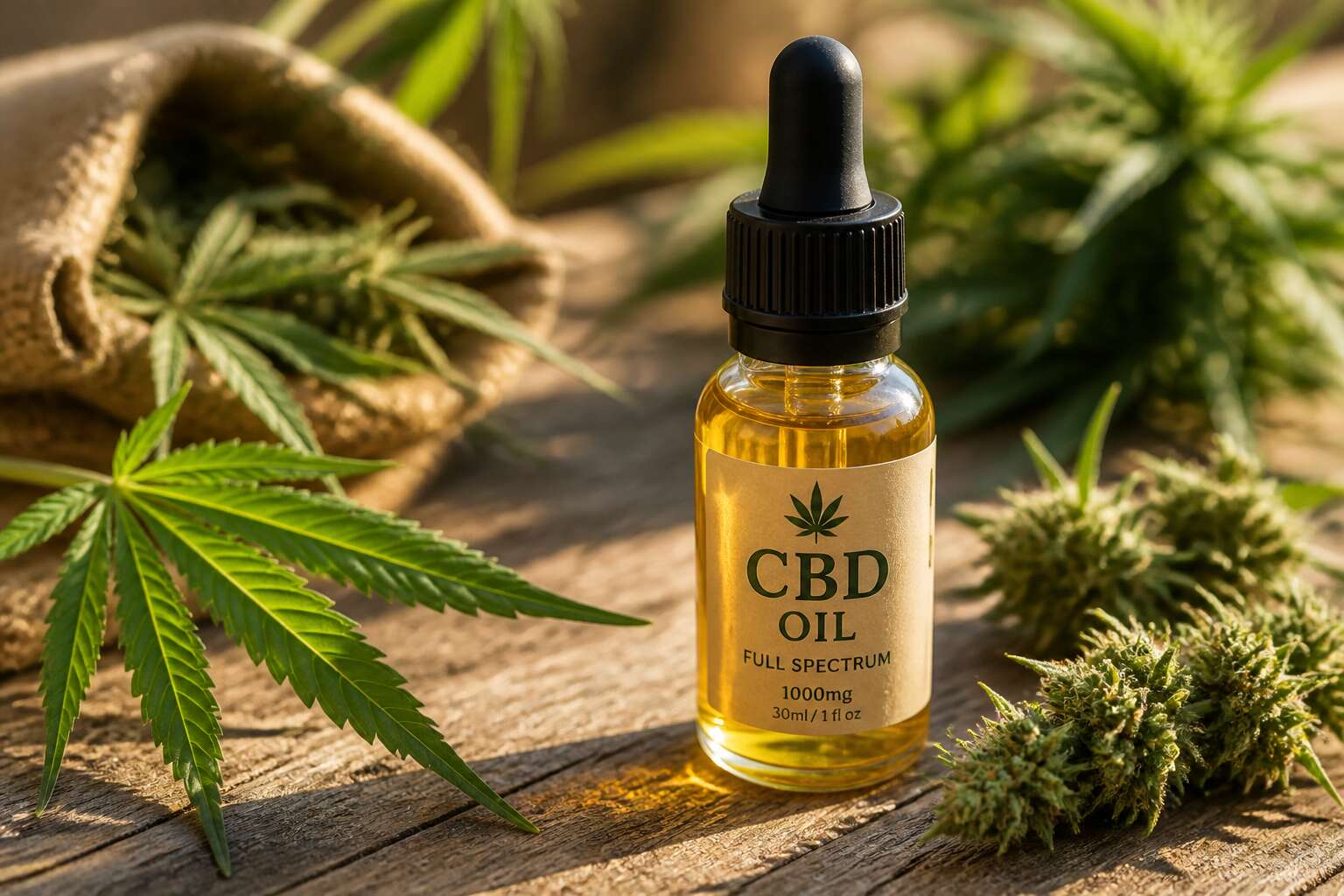
The Botanical Origins of CBD Oil
Hemp vs Marijuana: Understanding the Difference
One plant species, Cannabis sativa, yields two radically different products. Hemp and marijuana share a genome but diverge in expression. Hemp became humanity’s industrial ally, selected for sturdy fibers and nutritional seeds, while marijuana was bred for psychoactive resin. This selective pressure altered their chemistry. Cbd oil made from hemp arises from a plant with THC content below 0.3%, a threshold separating legal cultivation from controlled substances.
- Hemp grows tall with slender stalks, prioritizing fiber and seed production
- Marijuana stays bushy, concentrating resin in sticky flowers
Marijuana’s resinous flowers create a completely different extract. The distinction carries existential weight. When you purchase a product, you are trusting a provenance. South African growers now navigate this botanical lineage, understanding that absolute species boundaries are illusory. Instead, we face a spectrum of human intention, where the same parent plant becomes either medicine or recreation. Ultimately, cbd oil made from hemp tells a story of deliberate cultivation, not accidental existence.
The Role of Cannabinoid Profiles
A single hemp leaf can host millions of microscopic trichomes, each acting as a chemical assembly line. These resin glands produce the cannabinoids that define a plant’s therapeutic character. A cbd oil made from hemp captures this botanical output, preserving the interplay of compounds rather than isolating one molecule.
The cannabinoid profile determines what you experience. Consider the key variables:
- The CBD to THC ratio governs both legality and psychoactive potential
- Minor cannabinoids like CBG and CBC modulate how CBD binds to receptors
- Terpenes add their own influence, shaping absorption and synergy
South African buyers should treat lab reports as provenance documents. Two oils can look identical but differ dramatically in chemical composition. The profile is the truth of the product.
Trichomes: The Production Powerhouses
Peering at a hemp flower under magnification reveals a landscape of glistening stalks. These are trichomes, the glandular factories where phytocannabinoids are born. Each stalked capitate trichome operates like a microscopic still, concentrating raw plant energy into a sticky resin. This resin carries the full spectrum of molecules that later define a cbd oil made from hemp.
The production process is delicate. Trichomes secrete their highest concentration of cannabinoids just before the flower fully matures. Harvest too early, and the profile remains thin. Harvest too late, and the compounds begin to degrade. For producers, this window demands precision.
Consider what each trichome contributes:
– Cannabinoid acids, the precursors to active compounds
– Terpene fractions that influence aroma and effect
– Waxy lipids that stabilise the extract
When this resin is extracted and refined, the resulting cbd oil made from hemp reflects the plant’s original output. The trichomes are where nature does the heavy lifting.
Genetic Variations and Chemotypes
Every hemp plant carries a genetic blueprint that determines its chemotype, the chemical fingerprint expressed in its resin. These chemotypes emerge from specific allele combinations that govern whether a plant produces predominantly CBD, THC, or a balanced ratio. The genetics are not random; they result from selective breeding. In South Africa, cultivators select cultivars with favourable chemotypes for cbd oil made from hemp.
Breeders analyse genetic markers to predict plant performance, and I have watched one allele shift an entire harvest’s character. Some cultivars produce abundant cannabinoid acids, others prioritise terpene synthesis. Hemp cultivars generally fall into distinct chemotype categories:
- Type I: high THC, low CBD
- Type II: balanced CBD and THC
- Type III: high CBD, low THC, the dominant source for hemp-derived extracts
Understanding these variations allows producers to source raw material with consistency, and that consistency determines the character of the final cbd oil made from hemp.
Key Source Materials in CBD Production
Flowering Buds and Raw Biomass
The harvest floor splits production into two distinct inputs. Flowering buds carry the highest concentration of cannabinoids and terpenes, making them the preferred source for premium extracts. Raw biomass, the stalks, leaves, and trim, offers a more economical route for bulk CBD isolate and distillate.
Processors weigh each source against yield targets and product positioning. A single field can generate both streams. I have seen facilities sort materials with a simple logic:
- Hand-trimmed flower for full-spectrum oils
- Machine-trimmed shake for broad-spectrum distillate
- Stalks and fan leaves for isolate
The character of the final product shifts with the input. A cbd oil made from flowering buds preserves delicate terpenes with minimal processing. A cbd oil made from raw biomass demands rigorous refinement to strip impurities. Both sources matter, yet each changes the finished product in ways consumers can taste and feel.
Stalks and Stems: Fibrous Byproducts
Stalks and stems hold the least commercial value in the hemp plant, yet they carry the entire harvest. Their woody composition offers almost no cannabinoid content, and trichome density is negligible. Processors often treat them as waste, but that view misses the point. A cbd oil made from stalk material would require enormous volumes for a single drop of extract, so the industry rarely attempts it. Instead, these fibrous byproducts feed other markets:
- Hempcrete for construction
- Animal bedding
- Textile fibre
- Paper pulp
The stem’s inner hurd and outer bast each carry distinct properties. Bast fibres rival flax in tensile strength. Hurd absorbs moisture and binds with lime. Neither component contributes to the oil that consumers buy. When I visit farms in the Western Cape, I see stalks left to dry in the sun before baling. They become raw material for industry, not for tinctures. A cbd oil made from flowering tops carries the therapeutic profile people seek. The stalk simply carries the plant’s weight.
Seeds and Their Nutritional Oil
Hemp seeds produce an oil that is frequently confused with CBD extracts. Seed oil is cold pressed from the plant’s reproductive parts, not the trichome-rich flowers. It contains zero cannabinoids. Its value lies in a balanced omega fatty acid profile, including gamma linolenic acid. A cbd oil made from flowering tops targets the endocannabinoid system. Seed oil targets the skin, the gut, and the pantry. South African consumers need this distinction.
- Cold pressed seed oil for salad dressings and smoothies
- Refined seed oil for cosmetic creams
- Whole seeds for protein supplementation
Buying decisions hinge on labelling. A product that says hemp oil on the front may not deliver the effects you expect. Look for the specific phrase.
Leaves and Trimmings
Leaves and trimmings often get dismissed as waste, but they hold surprising value. When farmers prune hemp plants to encourage bud growth, they collect substantial biomass. These trimmings contain a modest but meaningful concentration of cannabinoids, especially when compared to the stalk or seed. The cbd oil made from these parts tends to be more economical, offering a broader profile of minor compounds.
Here is what a producer might look for in this material:
– Fresh, green trimmings that retain their resinous coating.
– Leaves that show visible gland heads under magnification.
– Material free from mould and excessive stalk fragments.
While trichome-rich flowers deliver the highest potency, leaves and trimmings contribute a workable ingredient for larger batches. Processing this biomass fills a practical niche. The cbd oil made from these sources often ends up in topical formulations or gummies, appealing to buyers who want efficacy without exorbitant pricing. South African consumers seeking budget-friendly options should understand this distinction.
Whole-Plant Extracts vs Isolated Parts
A single hemp plant holds more than one hundred cannabinoids, yet most commercial products rely on a handful. This gap defines the core conflict in modern production: preserve the complete botanical matrix or strip it down to targeted molecules. Whole-plant extraction keeps the natural ratio of acids, esters, and terpenes intact, which many users find more effective. Isolation methods yield predictable potency, often for specific formulations. The cbd oil made from whole-plant sources appeals to those seeking a broad experience. The cbd oil made from isolated parts suits precise medical or cosmetic use. South African buyers face this distinction in nearly every product label.
The practical differences break down like this:
- Whole-plant extracts demand gentle processing to protect fragile compounds.
- Isolated parts allow for exact dosing and consistent effects.
- Mixed approaches balance cost against chemical richness.
Neither pathway delivers universal superiority, and the measurable outcome depends on the consumer’s physiology and the producer’s equipment.
Extraction Techniques That Shape the Final Product
Supercritical CO2 Extraction
Supercritical CO2 extraction uses precise pressure and temperature controls to separate valuable compounds from raw plant material. This technique isolates cannabinoids while leaving behind waxes and chlorophyll. It shapes the final product’s purity and consistency.
What makes this method stand out is its versatility. Operators can target distinct profiles by shifting parameters. For example, lower pressures capture lighter terpenes, while higher pressures release heavier molecules. This flexibility determines the extract’s character:
- Selectivity for desired cannabinoids
- Retention of volatile flavor compounds
- Removal of unwanted residues
The cbd oil made from this process often carries a cleaner taste and clearer appearance. Compared to solvent-based methods, CO2 leaves no residual chemicals, which matters for consumers seeking natural options. This precision explains why many premium brands rely on it.
Ethanol Extraction
Ethanol extraction offers a different path to purity. The process uses food-grade alcohol to separate cannabinoids from plant material, and it works efficiently at scale. Unlike CO2 systems, ethanol extraction can handle larger volumes in less time, which is why many producers rely on it for consistent output.
The solvent’s polarity means it also pulls chlorophyll and other water-soluble components. Temperature control becomes critical here. Cold ethanol extraction preserves delicate terpenes while minimizing unwanted plant matter. This balance determines the character of the final product:
- Broad cannabinoid retention
- Reduced chlorophyll degradation
- Clean separation of plant lipids
At its core, this method asks a fundamental question. What should the cbd oil made from this process contain? The answer depends on the producer’s intent. Some seek a complete botanical fingerprint. Others want a simpler base for further refinement. Either way, the cbd oil made from ethanol extraction offers a distinctive middle ground between purity and complexity.
Hydrocarbon Solvent Extraction
Hydrocarbon solvent extraction uses butane or propane to pull cannabinoids from raw plant material. The process is efficient, potent, and utterly unforgiving if you skip the safety checks. “It separates the skilled operators from everyone else,” one processor told me with a grin.
The cbd oil made from this technique tends to carry a rich terpene profile. The solvent evaporates entirely when handled properly, leaving behind a concentrated extract that many connoisseurs prefer over other methods.
Which solvents do producers actually choose?
- Butane, for broad cannabinoid retention.
- Propane, for better performance in cold conditions.
- Blends of both, to balance yield and flavor.
The cbd oil made from hydrocarbon extraction is intense. That is precisely why it has devoted fans. It is not a timid product. The final formulation depends on the producer’s goals, but the starting material matters equally.
Carrier Oil Infusion Methods
One processor told me, “Extraction wins the awards, but infusion wins the customers.” The concentrate from any method is rarely the final product. It requires blending with a carrier oil to become usable. The type of carrier oil alters absorption rates, shelf life, and mouthfeel. MCT oil remains the favorite for its stability, while olive oil offers a familiar flavor. Hemp seed oil reinforces the plant’s profile.
Carrier oil infusion methods vary by producer. Some gently heat the mixture to encourage bonding. Others use mechanical agitation at room temperature. The goal is consistency, not complexity. A simple comparison helps when choosing.
- MCT oil for fast absorption
- Olive oil for everyday cooking
- Hemp seed oil for a complete profile
The cbd oil made from this process reflects both the original extraction and the chosen carrier. A careful infusion preserves the cannabinoids without introducing unwanted tastes.
Solventless Mechanical Separation
Some producers treat their crop like fine produce. They press it with intention. Solventless mechanical separation relies on pressure, temperature, and time to coax resin from the flower. Heat and force release the sticky trichome heads without chemical intermediaries. The resulting extract is a clean, full-spectrum starting point. This becomes a cbd oil made from purely physical means.
The yield is lower than solvent methods, yet the profile often makes it worth the effort. Producers who choose this route prioritize purity and taste. It is a craft of restraint. The cbd oil made from this method stands apart for its clarity and directness.
Carrier Oils and Formulation Ingredients
MCT Oil as a Popular Base
Many formulators report that MCT oil absorbs three times faster than heavier oils. This fractionated coconut extract provides a neutral base for wellness products. For any cbd oil made from careful infusion, MCT ensures reliable delivery and a clean finish.
Consider these traits for your next batch:
- Molecular weight supports efficient cellular uptake
- Odorless profile preserves the plant’s natural aroma
- Liquid state at room temperature simplifies blending
South African manufacturers favor MCT for its consistent viscosity. Unlike palm or sunflower oils, it does not mask subtle terpenes. This formulation has a subtle taste, yet carries the active compounds with precision.
Hemp Seed Oil and Its Nutritional Value
Hemp seed oil stands apart from MCT because it brings its own nutritional character. A single tablespoon contains around 9 grams of polyunsaturated fats, including omega 3 and omega 6 in a ratio near 3:1. That ratio aligns with what nutritionists often recommend for reducing inflammation.
For any cbd oil made from hemp seed oil, the carrier adds more than texture. It contributes vitamins like E and phospholipids that may support the body’s use of cannabinoids. A cbd oil made from this base tends to have a deeper color and a nutty scent, which some consumers prefer over neutral bases. The oil has a green, earthy taste as well.
Here is a quick look at what hemp seed oil offers:
- Gamma linolenic acid, an uncommon omega 6
- Phytosterols for cholesterol balance
- Antioxidants that protect the oil from rancidity
Because this carrier is unrefined in many products, it requires careful storage away from light. Yet its nutritional density makes it a compelling choice for wellness blends.
Olive Oil and Other Culinary Carriers
Olive oil stands as a culinary carrier with real character. I find its monounsaturated fats hold up well during infusion, giving a cbd oil made from this base a smooth mouthfeel and a gentle peppery finish. That resistance to oxidation matters in warm climates, where lighter oils can turn quickly.
Avocado oil and grapeseed oil also work as edible bases, though they behave differently:
- Avocado oil brings a thick, buttery texture and high stability
- Grapeseed oil stays thin and neutral, ideal for mixing into recipes
A cbd oil made from avocado oil feels luxurious under the tongue, while a grapeseed version slips into dressings without altering flavor. Each carrier adds its own weight and shelf life, so the choice depends on how you plan to use the drops.
Natural Flavorings and Additives
In South Africa, nearly 70% of consumers select a cbd oil made from a base that delivers a pleasant taste. That statistic pushes formulators to look beyond the carrier alone. The carrier oil sets the texture and absorption, but the final character often comes from natural flavorings and additives.
A cbd oil made from sunflower oil, for instance, offers a light body that accepts botanical extracts without muting them. I frequently see stevia leaf used for sweetness while adding a drop of orange peel essence for brightness. These additives must stay stable under infusion to survive the process.
- Citrus peel oils for a sharp, clean finish
- Peppermint extracts to cool the throat
- Vanilla oleoresins for a warm, rounded note
Formulation also involves antioxidants like rosemary extract, which protect the carrier from rancidity over time. Each ingredient changes the mouthfeel, so careful balancing turns a simple oil into a refined product worth savouring.
Preservatives and Shelf-Life Considerations
A carrier oil without preservatives can turn rancid within months, especially in South Africa’s warm climate. Oxidation degrades both the base and the active compounds. That is why formulators add natural antioxidants like tocopherols or ascorbyl palmitate. Each stabiliser behaves differently, so small batch testing always matters.
- Vitamin E neutralises free radicals in the carrier.
- Mixed tocopherols slow polymerisation of fatty acids.
- Citric acid chelates metal ions that accelerate spoilage.
For a cbd oil made from MCT or sunflower base, shelf life hinges on the preservative system and packaging. Amber glass blocks UV light, while nitrogen flushing removes oxygen from the headspace. Storing below 25°C can stretch freshness to a full year. I have seen poorly sealed droppers cut that down to three months.
Variations in CBD Oil Composition
Full-Spectrum CBD Oil
Full-spectrum CBD oil is not a uniform product. The phytochemical complexity can include more than a hundred distinct compounds, and each batch shifts with harvest timing, soil microbes, and curing temperature. One run might carry a dominant myrcene profile, while another leans toward limonene. These variations alter the oil’s aroma, flavour, and therapeutic nuance. The character of cbd oil made from a single cultivar can differ strikingly between seasons.
Manufacturers routinely apply the full-spectrum label, yet the actual cannabinoid content may range from negligible to substantial. A South African producer working with local landraces may yield a different array than a greenhouse operation using Dutch genetics.
- Cannabinoid ratios, including THC within legal limits
- Terpene concentrations, which affect absorption
- Flavonoid content, contributing to oxidative stability
These variables mean that no two full-spectrum oils are identical. The provenance of cbd oil made from local hemp shapes its cost and its eventual effect on the user.
Broad-Spectrum CBD Oil
Broad-spectrum CBD oil occupies a middle ground. It keeps the entourage of cannabinoids and terpenes while removing THC. That removal process is never neutral. Chromatography and filtration can strip delicate flavonoids or skew terpene ratios.
A cbd oil made from a low-THC hemp cultivar needs minimal refinement. One made from higher-THC biomass requires aggressive processing, which often degrades the very compounds you want to keep. Strange, but true.
The variation shows up in measurable ways:
– The balance of minor cannabinoids such as CBG and CBC
– The terpene profile after filtration
– The presence of trace processing aids
Every broad-spectrum batch is a fingerprint of its source material and extraction method. No two are exactly alike.
CBD Isolate and Distillate
CBD isolate is the purest form. It crystallizes into a fine powder at 99%+ cannabidiol. A cbd oil made from isolate contains no other cannabinoids or terpenes. Dosing becomes effortless because you know exactly what is in every drop.
Distillate works differently. It stays a viscous amber oil that keeps minor cannabinoids such as CBG and CBC, plus a portion of the original terpenes. A cbd oil made from distillate sits between isolate and full-spectrum in complexity. That difference matters more than most buyers realise.
Variations show up in measurable ways:
- Purity: isolate approaches 100% CBD; distillate holds extra compounds at lower concentrations.
- Texture: isolate is a dry powder; distillate is thick and sticky.
- Batch consistency: isolate is uniform, while distillate changes with each run.
Raw vs Decarboxylated CBD Oil
Heating raw cannabis to 110°C shifts its entire chemical identity. A cbd oil made from raw plant matter holds CBDA, a compound that behaves differently from CBD. Decarboxylation, the process of applying controlled warmth, transforms CBDA into CBD. That difference matters for anyone seeking precise effects.
- Raw oil preserves acidic cannabinoids like CBDA, which bind to receptors in their own way.
- Decarboxylated oil converts those acids into neutral CBD, increasing potency per drop.
Most producers decarboxylate before infusion, yet raw flower offers a separate path. I have tested both. The raw version tastes grassier, while the heated version feels more familiar. Neither is superior, they simply answer different questions.
Organic vs Conventionally Grown Hemp
Organic certification requires three years of clean soil, yet the composition of the final extract tells a more immediate story. I have tested organically and conventionally grown hemp, and the organically grown batch consistently showed a higher concentration of minor cannabinoids. That shift in composition directly affects the cbd oil made from those plants.
Conventional farming often relies on synthetic pesticides and fast-release fertilizers. These inputs leave residues that can survive extraction, altering the oil’s flavor and purity. Nutrient delivery also changes how the plant allocates energy, so the cbd oil made from conventional hemp may have a narrower cannabinoid spectrum. Consider these variables when judging a product:
- Soil microbiome health influences secondary metabolite production.
- Harvest timing and curing methods differ between organic and conventional operations.
Neither approach guarantees a superior result, but the differences are measurable.

0 Comments