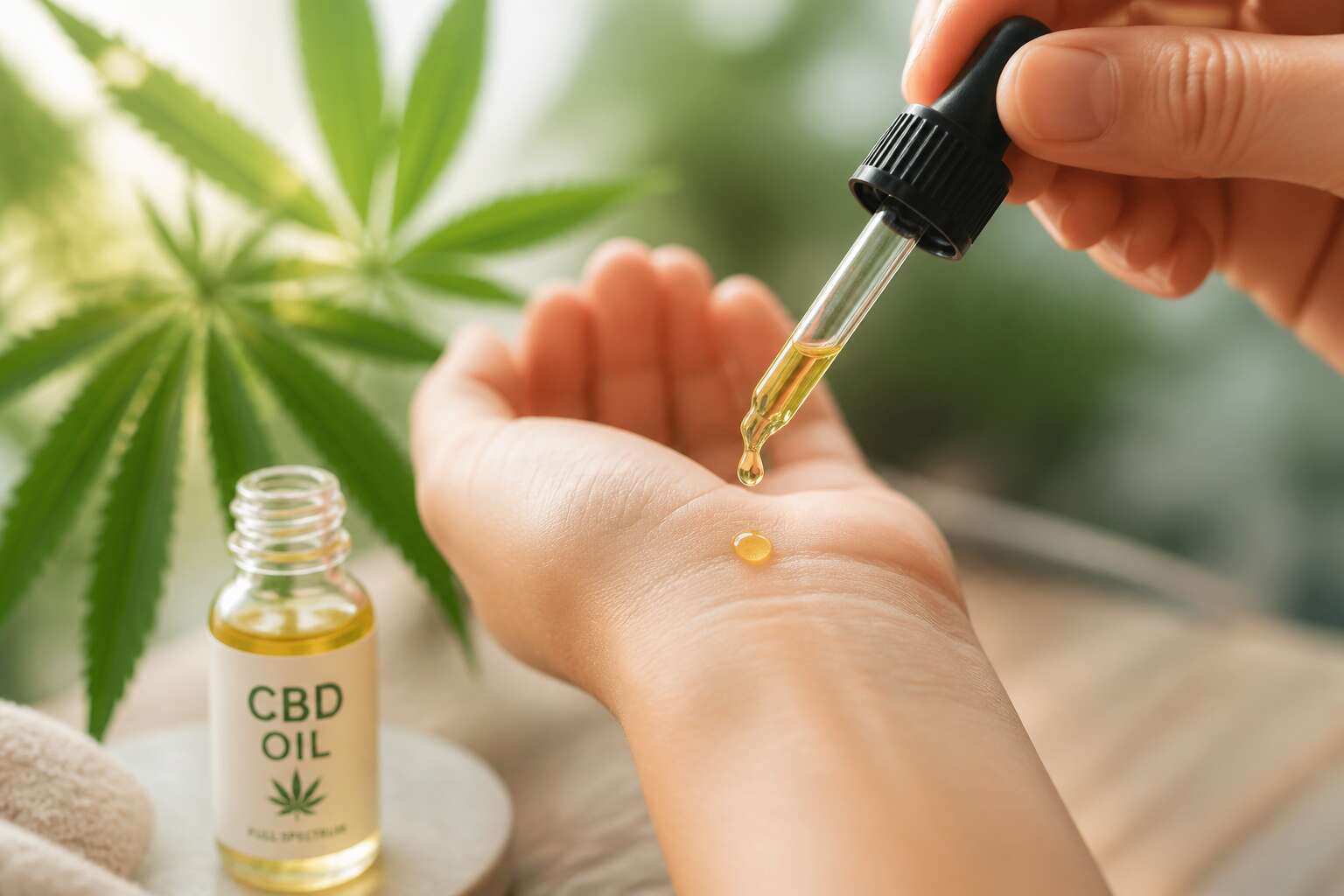
Understanding How External CBD Works
The Difference Between Topical and Transdermal Absorption
Understanding how external CBD works requires grasping the barrier between skin and bloodstream. Topical absorption holds CBD within the dermal layers, where it engages nearby receptors without entering circulation. Transdermal absorption, on the other hand, employs enhancements like permeation agents to cross the stratum corneum and reach systemic targets.
For cbd oil external use, the choice between these pathways changes your experience. Consider what each offers:
- Topical: focused action on joints or muscles
- Transdermal: whole body effects through the blood
From my experience, the difference hinges on formulation, not just application. A patch or specialized cream alters the outcome dramatically!
How CBD Interacts With the Body’s Endocannabinoid Receptors
The body runs on chemical signals, and the endocannabinoid system is a primary receiver. CB1 and CB2 receptors sit within the skin, muscles, and connective tissue. They regulate pain, inflammation, and cellular balance. CBD does not bind these receptors aggressively. Instead, it gives your own endocannabinoids more time to do their work.
For cbd oil external use, this matters deeply. The skin holds a dense population of CB2 receptors tied to immune response. When you apply the oil, the localised area responds to that shift.
- Skin-level CB2 receptors address swelling on site.
- Deeper CB1 receptors adjust pain signal delivery.
The oil works with the receptor network already in place. That is the elegance of external application!
Localized Relief vs. Whole-System Effects
The skin is your largest boundary organ. It decides what enters and what stays out. When I consider cbd oil external use, that boundary becomes the site of action.
Localized relief targets the exact point of discomfort. The compound concentrates where applied, changing pain signals and reducing swelling in that region alone. Whole-system effects follow a different course. Absorption through deeper layers moves compounds into circulation, where they influence broader regulatory processes. The timing difference is remarkable!
For cbd oil external use, the distinction matters practically:
- A concentrated dose acts quickly on surface-level discomfort
- A lower dose allows gradual absorption into deeper tissue
- Repeated application sustains both pathways over time
We are not choosing between two separate realities. We are reading the body’s needs in a given moment.
What to Expect After Your First Application
Dermatologist Fiona Ristow once observed, “The skin does not hurry.” That patient truth frames every expectation for cbd oil external use. Your first application may produce a faint warmth or a slight prickle. Nothing more. This quiet onset is normal, not a failure.
What typically happens in the first two hours?
- A mild cooling sensation that fades within fifteen minutes
- No immediate change to pain intensity
- A dry or slightly tacky film depending on the base oil
By the third hour, all sensation vanishes. Resist the urge to reapply. Your skin is still processing the previous dose. Visible results, if any, show after several daily applications. Measure success by your baseline comfort each evening, not by any dramatic shift.
Key Benefits of Using CBD Oil On the Skin
Easing Sore Muscles and Joint Discomfort
Nothing ruins a Sunday braai like a stubborn crick in your neck. But here’s the thing about cbd oil external use: it targets the ache without the side effects of oral painkillers. Instead of passing through your digestive system, the oil goes straight to the sore muscle. I have seen it work on gardeners, rugby players, and that one uncle who insists on lifting the cooler box alone.
The relief comes from the oil’s direct interaction with local receptors. You get a focused numbing effect, not a systemic change in mood. When you apply cbd oil external use for joint discomfort, regular application can reduce that morning stiffness without the greasy residue of old-school balms. Just rub, wait, and carry on.
In South Africa, where we spend half our lives outdoors, this matters. A quick dab on a sore shoulder after a hike beats swallowing capsules and hoping for the best.
Supporting Skin Hydration and Moisture Retention
Your skin is the largest organ you own, yet we often treat it like an afterthought. In South Africa’s dry winters, that tight feeling after a shower is a familiar complaint. Here, cbd oil external use offers a practical answer. The oil’s fatty acids, like omega-3 and omega-6, mimic the skin’s own lipids, helping to lock in moisture where it counts. A drop on your face or elbows after bathing works quietly, without the sticky film some creams leave behind.
What sets it apart is the way it interacts with the skin barrier. It doesn’t just sit on top; it supports the ceramides that keep water from escaping. This makes it useful for anyone who spends Sundays at the beach or weekdays in air-conditioned offices. Regular application helps with:
- Fading dry patches on knees and heels
- Softening rough cuticles
- Maintaining a dewy, not greasy, finish
The result is hydration that lasts, not a fleeting gloss. For cbd oil external use, the key is consistency, not quantity.
Soothing Redness and Irritated Areas
A persistent flush can be more than cosmetic; it signals irritation beneath the surface. Many South Africans face this after long days outdoors or in dusty workplaces. For cbd oil external use, soothing redness has become a reliable answer. The skin’s endocannabinoid receptors respond to the oil, helping to calm overactive inflammatory responses.
Applying a small amount to the cheeks, forehead, or arms works gently. You might feel warmth first, then a settling sensation. The effect is subtle, not dramatic. With repeated use, the skin appears less reactive. I have watched stubborn red patches soften over a week of consistent care.
- A decrease in blotchy patches
- Relief from windburn on the lips
- A calmer tone after shaving
Cbd oil external use offers this comfort without the sting of alcohol-based toners. It respects the skin’s own rhythm and lets irritation fade on its own schedule.
Targeting Recovery After a Workout
After a vigorous training session, the skin often bears the residue of effort. Sweat, heat, and friction leave it depleted. This is where cbd oil external use steps in as a quiet step toward renewal. The oil’s lipid profile works with the skin’s own barrier, encouraging a return to balance without weight. Applying it to the shoulders, calves, or lower back after a cool shower feels like finishing the day’s work with a layer of repair. I have noticed that muscles may still ache, but the skin itself feels less tight and less raw.
- Calms the post-exercise flush across the chest and neck.
- Reduces the tightness that follows a long run in dry heat.
- Supports the skin’s moisture reserve after chlorine or salt exposure.
For anyone who trains regularly, this form of cbd oil external use is a straightforward method for maintaining the body’s largest organ under repeated stress.
Adding External CBD to a Daily Self-Care Routine
Sixty percent of skin aging is attributed to environmental exposure, not time itself. That statistic reframes daily upkeep. For me, cbd oil external use has become part of that upkeep. Each evening, after a shower, I apply a small amount to my shins and shoulders. The oil absorbs in minutes, leaving no residue.
The benefit of this cbd oil external use lies in its consistency. Skin cells regenerate on a roughly twenty-eight day cycle, and repeated application supports that process. I notice fewer dry patches and a calmer surface when the wind picks up.
- Supports the skin’s lipid barrier over time
- Reduces the need for heavier creams in warm weather
- Adds a structured moment to an otherwise rushed routine
Adding external CBD to a daily self-care routine does not demand extra time. It integrates into existing habits, offering a stable layer of protection against daily stressors.
How To Apply CBD Oil Externally for Best Results
Determining the Right Amount of CBD for Your Body Area
Your skin is not a uniform surface. The thin dermis on your neck and wrists welcomes cbd oil external use faster than the thick, calloused skin on your heels. The right amount depends on the specific area you are treating.
For small, sensitive zones like the temples or behind the ears, two to three drops suffice. For a shoulder or knee, five to six drops. For a broad area like the back or thighs, use eight to ten drops, massaging until the oil loses its slickness.
- Temples, wrists, neck: 2 to 3 drops
- Shoulders, knees, elbows: 5 to 6 drops
- Back, thighs, calves: 8 to 10 drops
Always start low and observe how quickly the skin absorbs the oil. A damp surface pulls the product deeper, while dry skin holds it longer. Adjust your next application based on that rhythm. This is the practical side of cbd oil external use.
Best Times To Apply External CBD for Consistent Effects
Most CBD applications fail because of timing, not dosage. For cbd oil external use, the skin offers its best absorption in a warm, damp state. I press the oil gently into the skin without rubbing, allowing the pores to accept the product naturally.
The best times follow your body’s daily arc. Morning application primes the skin for movement, while evening application aligns with overnight repair.
- After morning exercise
- Twenty minutes before bed
- Following a warm bath
Each time you apply, note how the oil settles into the surface. Missing that rhythm means the method loses its consistency. Stick to the same hours daily, and the response becomes more reliable.
Using Massage Motions To Boost Absorption
Most people apply cbd oil external use with the flat of a palm, then rub as if finishing a lotion. That method sacrifices absorption. When I press the oil gently into the skin, using light circular strokes from the center outward, the skin accepts the product without strain. The motion matters because massage motions create local warmth, which opens the pores and helps the oil travel into deeper tissue layers.
I use a slow glide along muscle fibers, allowing each pass to settle before adding more pressure. Careful, repeated motions work better than vigorous friction. Friction pushes the oil to the surface, where it evaporates or stains clothing. A soft kneading action over joints, followed by a sweep upward, encourages consistent distribution. This approach turns every application into a controlled exchange between oil and skin.
Combining CBD With Other Skincare Ingredients
The skin receives layered products differently than a single oil. In my practice, blending cbd oil external use with a thin botanical serum creates a smoother intake than oil alone. Start with the most watery ingredient, such as a chamomile tonic, then press the oil into the skin while it is still damp.
Specific botanicals shift the outcome. Aloe vera cools heated areas. Arnica supports recovery in dense muscle tissue. Calendula soothes reactive patches.
- Aloe vera for sun exposed or warm zones
- Arnica for tight muscles
- Calendula for red, flaring skin
Allow each layer to settle for one full minute. This sequencing directs the active compounds to the intended tissue without competition from heavier creams.
Reapplying Throughout the Day and Building a Habit
Reapplication matters more than the initial layer. The skin metabolizes what it receives, and by midday, a single application has often done its work. For cbd oil external use, the second pass is where consistency begins to show. I tell clients to keep the bottle where they see it, next to the kettle or beside the bathroom mirror.
Building a habit means attaching the ritual to something already fixed. After your morning shower, before bed, or when you return from work. These fixed times remove the need to remember. Morning dryness, midday tightness, evening fatigue. Each signal tells you when your skin is ready for another layer.
Notice how your skin responds to the second application. That feedback guides how often you repeat it.
Common Application Mistakes To Avoid
Applying CBD oil externally demands attention to how the skin receives it, not just how much you pour. The most common mistake is overloading the surface until the oil pools in creases and never reaches the deeper tissue. Another error is rushing. A quick smear followed by immediate clothing smothers the product before it can interact with the skin’s natural moisture. Cleanliness also matters. A layer of sunscreen or sweat creates a barrier that alters absorption completely.
- Pressing too hard, which triggers inflammation instead of calm
- Applying on damp skin, diluting the oil into uselessness
- Forgetting that different body areas absorb at different rates
Each failure points to the same truth. cbd oil external use is a matter of timing and patience, and mistakes happen when you interrupt that process. Slow down. Notice the texture. The oil does its work only when you remove your own interference.
Choosing a High-Quality External CBD Product
Full-Spectrum vs. Broad-Spectrum vs. CBD Isolate
Full-spectrum extracts retain the plant’s complete array of cannabinoids, including trace compounds that may enhance the entourage effect. Broad-spectrum options strip away heavier fractions, leaving a balanced profile. Isolates deliver pure CBD with minimal extras. For surface application, the choice alters absorption speed and duration of action. Assess quality with a few simple checks:
- Verify third-party lab results on the label.
- Confirm the carrier oil suits your skin type.
- Look for total cannabinoid content on the packaging.
The right match depends on your sensitivity and desired effect. Assuming higher purity guarantees better results overlooks how plant lipids interact with the epidermis. For cbd oil external use, a full-spectrum version often provides more robust hydration, while an isolate suits sensitive areas needing fast relief. Read the ingredient sequence, not just the front claim.
How To Verify Potency With Third-Party Lab Reports
A label’s promise means little without independent proof. For cbd oil external use, the milligram count is the first number you should verify. Third-party lab reports, specifically the certificate of analysis (COA, provide that proof. For South African buyers, these reports are also a safeguard against diluted imports.
To verify authenticity, check three things:
- The COA’s batch number matches your product’s batch number.
- The testing lab is ISO-accredited, ensuring reliable methodology.
- The report includes a fresh testing date, not over six months old.
Gas chromatography reveals if the labeled CBD content aligns with reality. Accurate potency determines whether you receive therapeutic value or a substandard product. I always confirm these details before applying.
Identifying Skin-Safe Carrier Oils and Botanicals
The cannabis export market in South Africa offers a staggering glimpse into the value of this plant. However, the journey from raw plant material to your skin hinges entirely upon the formulation science. For cbd oil external use, the carrier oil is not merely a vessel; it is the vehicle that dictates how quickly the fins of the vessel penetrate the dermal layers. MCT oil, derived from coconut, remains a preferred choice for its light molecular weight and non-comedogenic properties. Hemp seed oil, conversely, offers a hefty dose of essential fatty acids that soothe the surface while ushering the cannabinoids deeper into the tissue.
The selection of botanical partners must be deliberate. Arnica extract invigorates microcirculation, while chamomile provides a calming counterbalance. The synergy between these elements and the flavonoid profile found in a full-spectrum product determines the efficacy. As a consumer, you should scrutinize the ingredient list for adulterants like synthetic fragrance or drying alcohols, which compromise the integrity of the whole.
– Look for carrier oils that are cold-pressed and unrefined.
– Confirm that the botanical extracts are present in meaningful ratios, not just symbolic traces.
– Avoid products with mineral oil as a primary base.
A product that relies on inert, cheap fillers will fail to deliver the therapeutic nuance you seek. The texture speaks volumes; a premium balm should glide easily without leaving a greasy film. This tactile quality indicates a balanced suspension of lipids and waxes. Ultimately, the most potent compound is worthless if the medium fails to ferry it across the moisture barrier. Trust your nose and your skin’s immediate response, as the presence of genuine botanical oils is often evident in the aroma and the haste with which the skin drinks it in.
Product Formats Compared: Creams, Balms, Lotions, and Roll-Ons
Choosing the right format for cbd oil external use is less about preference and more about the targeted tissue. A dense balm locks onto a knee or shoulder for hours, while a lotion glides across the broad expanse of the back. Roll-ons deliver precision for the wrist or temple, and creams offer a light occlusion suited to daily hydration. The texture tells you how it will behave. A premium product should absorb within minutes, not sit sticky on the surface.
Examine the concentration relative to the bottle size, not just the total milligram claim. A 30ml roll-on with 500mg delivers more per drop than a 300ml lotion carrying the same amount. Always verify the presence of a seal, the extraction method, and a batch number that aligns with the third-party report.
- Confirm the carrier oil is cold-pressed, as heat degrades the lipid profile.
- Check that the format matches your application site, not your shelf aesthetic.
- Reject any product with a strong solvent smell, which signals residual processing.
For cbd oil external use, the format governs the absorption curve. A balm’s wax matrix releases slowly, a lotion sinks fast, and a roll-on stays put. Your skin’s immediate reaction remains the final judge. If it feels tight or greasy, the suspension is off. Trust that tactile verdict before the label.
Recognizing Red Flags in Ingredient Labels
Choosing a high-quality external CBD product begins with reading the label as a detective, not a poet. For cbd oil external use, the carrier matters as much as the cannabinoid content. Look for a named extraction method like CO2 or ethanol, and a batch number that matches a third-party report. A vague “hemp extract” without details signals a shortcut.
Red flags often hide in the ingredient list. Watch for these markers:
– Fragrance or “parfum”, which can mask rancid oils.
– Propylene glycol, a penetration enhancer with a harsh feel.
– “Terpenes” without a source, meaning synthetic additives.
If the label lists more preservatives than botanicals, the product is designed for shelf life, not skin. Trust the absence of a solvent smell and the presence of a cold-pressed carrier. Your skin will confirm what the label implies.

0 Comments